
This tournament has been on track to be the most-watched World Cup ever. Watch parties at home, fans flying in for games, entire cities reshaping around a single match for a weekend. It’s been less about the sport and more about what happens when people from all over the world end up in the same place at the same time.
That doesn’t have to end when the final whistle blows.
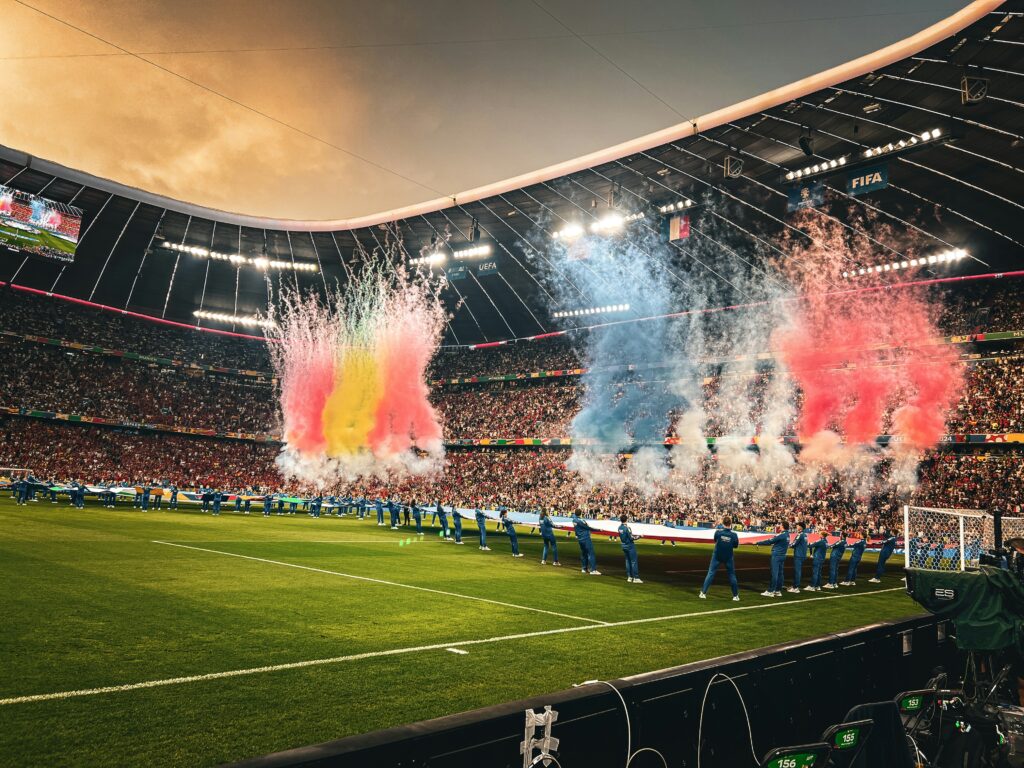
You Learn a Country Fast
Planning a trip around a game means you’re not just seeing a stadium and leaving. You land in a city days before the match, find food that has nothing to do with tourists, and figure out how the transit system actually works.You stick around after the final score, too. That’s usually when a city stops performing for visitors and starts feeling like itself. The match ends up being one afternoon out of a much longer trip — often not even the part you remember most.
You Pick Up Languages in Real Time
Ordering food in a language you don’t speak well. Asking for directions when your phone’s about to die. Following the excitement at a bar during a match where you can barely understand the commentary. None of that is studying. It’s using words because you need them right now, which sticks in a way a vocabulary app never quite manages. A few days of that kind of immersion can move you further than months of lessons.
The History Comes With It
Every host city has a story that predates this tournament by centuries. Stadiums get built in places that already had their own architecture, their own version of a Saturday afternoon, long before anyone was selling tickets.
Spend enough time walking around before or after a match and you end up learning more about a place than any single guided tour would cover. The match is one afternoon. The city is the rest of the trip.
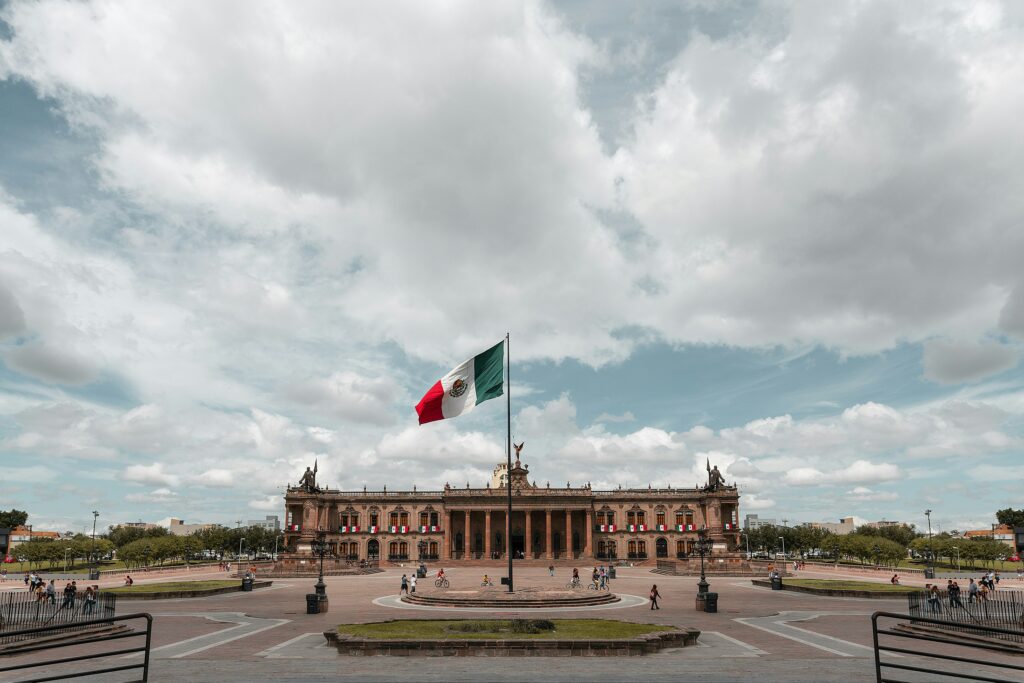
Community Building at an International Scale
Watch parties bring neighbors together who might not have talked otherwise. Fans traveling to a host country end up seated next to someone from a completely different background, wearing the same jersey, cheering for the same team, for ninety minutes.
It’s a strange kind of closeness that happens fast and doesn’t require much in common beyond the game in front of you.
This Isn’t Unique to Futbol (Soccer for Americans)
The Olympics do the same thing every four years: a host city becomes a meeting point for people who’d otherwise never cross paths. The Paralympics do it too, often with less fanfare but the same underlying effect. Rugby has its own version with the World Cup circuit, especially in the Southern Hemisphere, where towns reorganize themselves around a tournament every few years.
The pattern holds: a tournament moves somewhere, people follow it there, and something happens that has very little to do with the final scoreline. People show up. They talk to strangers. They eat something they wouldn’t have ordered on their own.
So if this World Cup got you thinking about travel — even just from a couch, watching with friends — that instinct is worth following past July. The next opportunity, whether it’s the Olympics, the Paralympics, or a Rugby World Cup somewhere across the planet, is really just a reason to go somewhere you’d never have picked on your own. And to show up already looking for something to celebrate.
