
Recently, we had a school return from their Grand Tour through Greece and Italy, with one of their stops in Pompeii. This week, we wanted to share a closer look at that visit through a few photos and the history behind what makes this place so distinct.
Pompeii does not feel like a typical historical site. It does not ask you to imagine what once stood or piece together fragments of the past. Instead, it places you directly into it. That is what makes Pompeii so striking. It is not defined by what was lost, but by what remains.
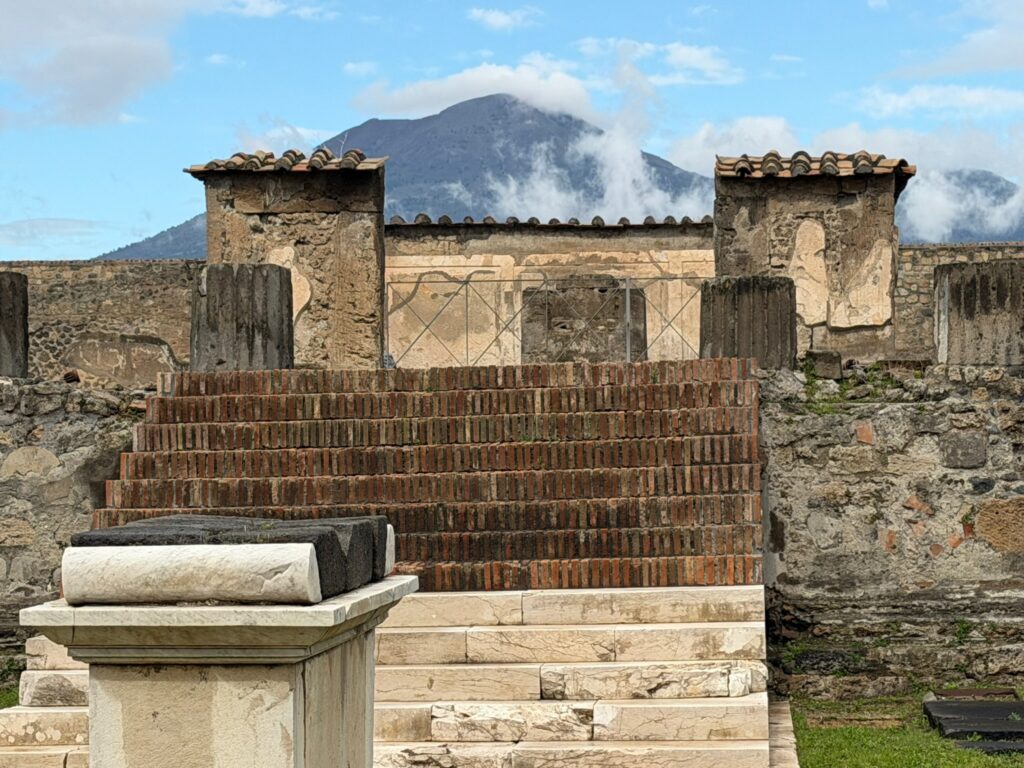
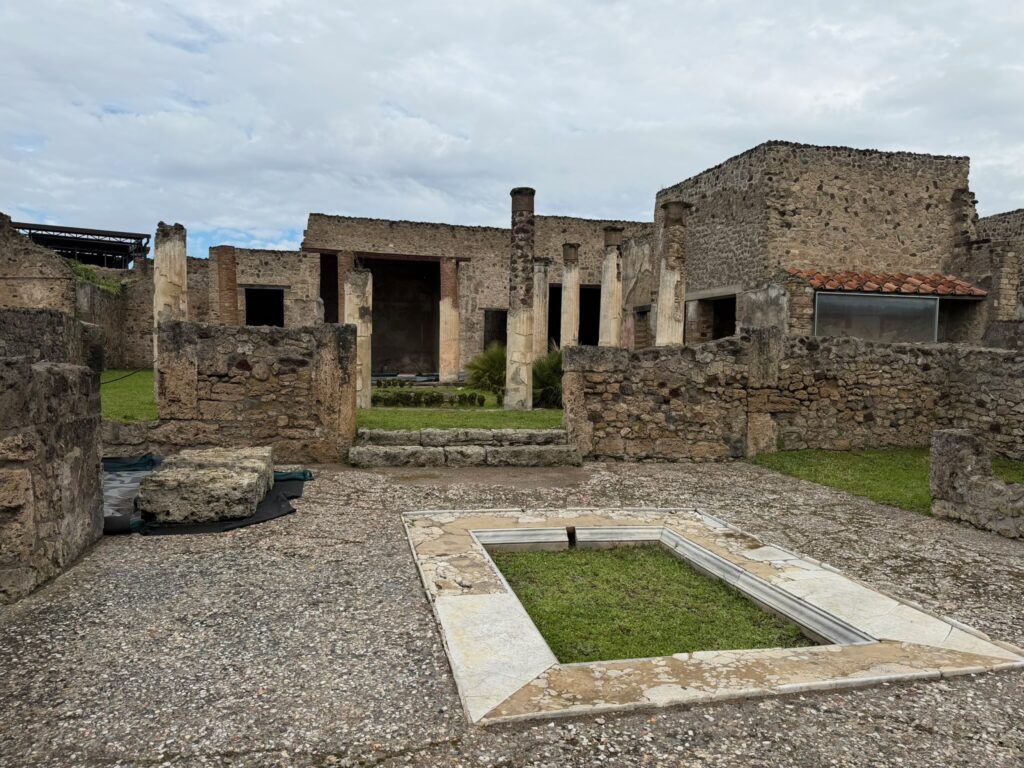
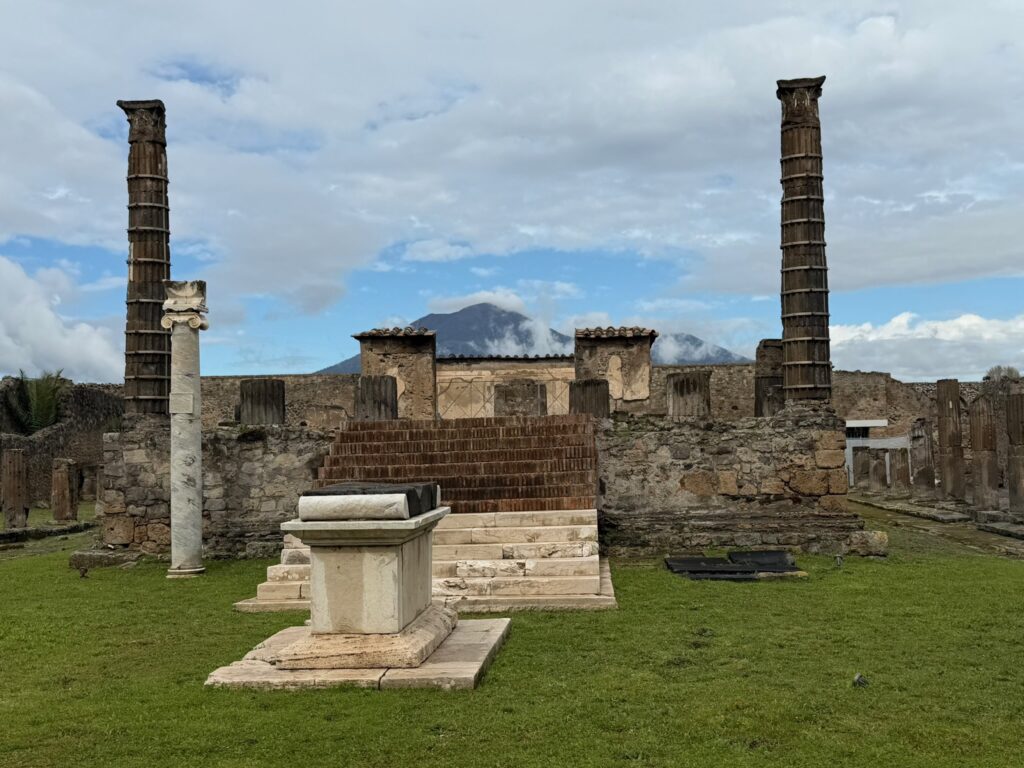
Pompeii’s Past
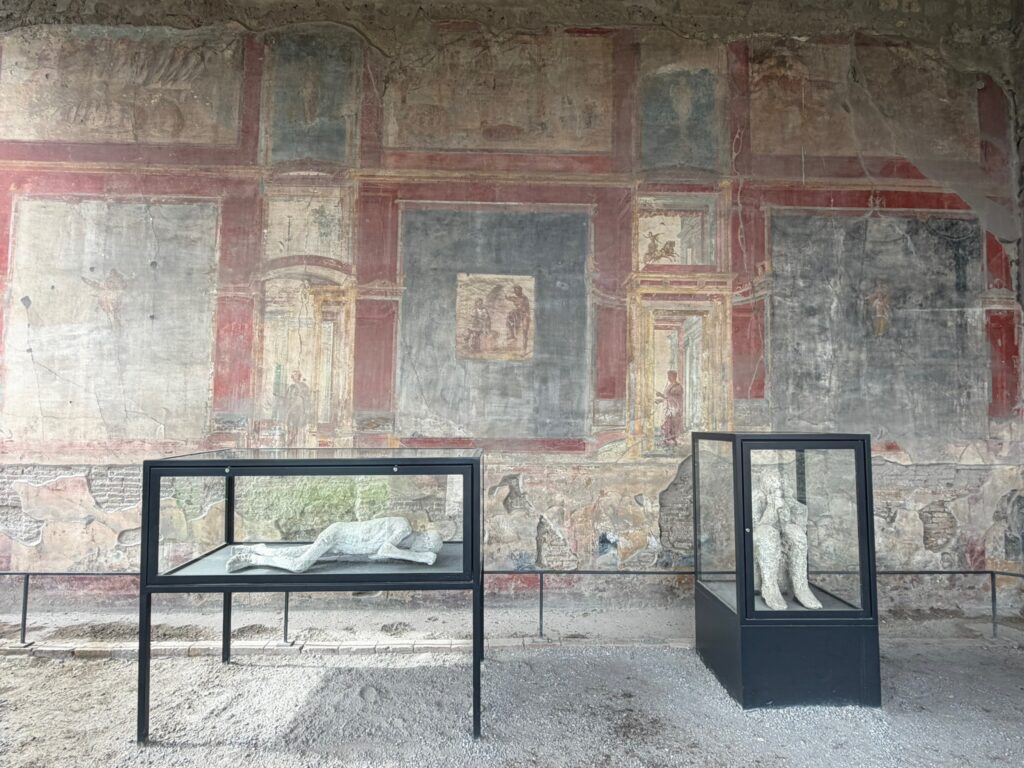
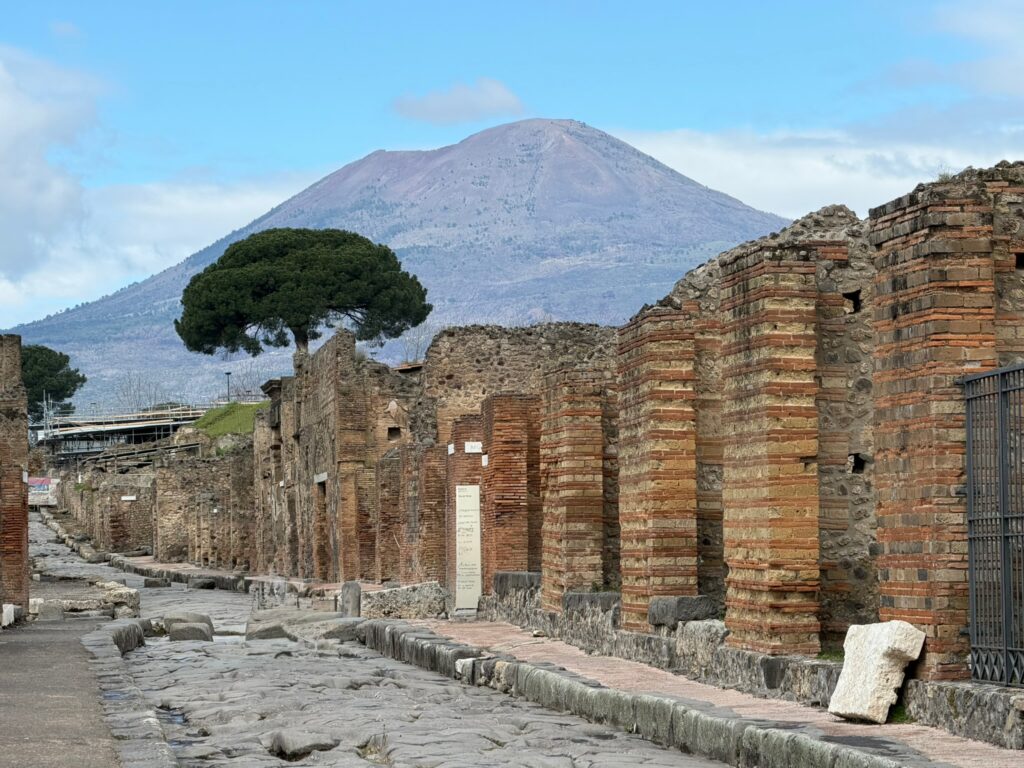
In 79 AD, Mount Vesuvius erupted and buried the city under layers of volcanic ash. The destruction was immediate, but the preservation was lasting. The ash sealed Pompeii in place, protecting not just buildings, but details. Streets, ovens, artwork, and objects that would have otherwise disappeared over time.
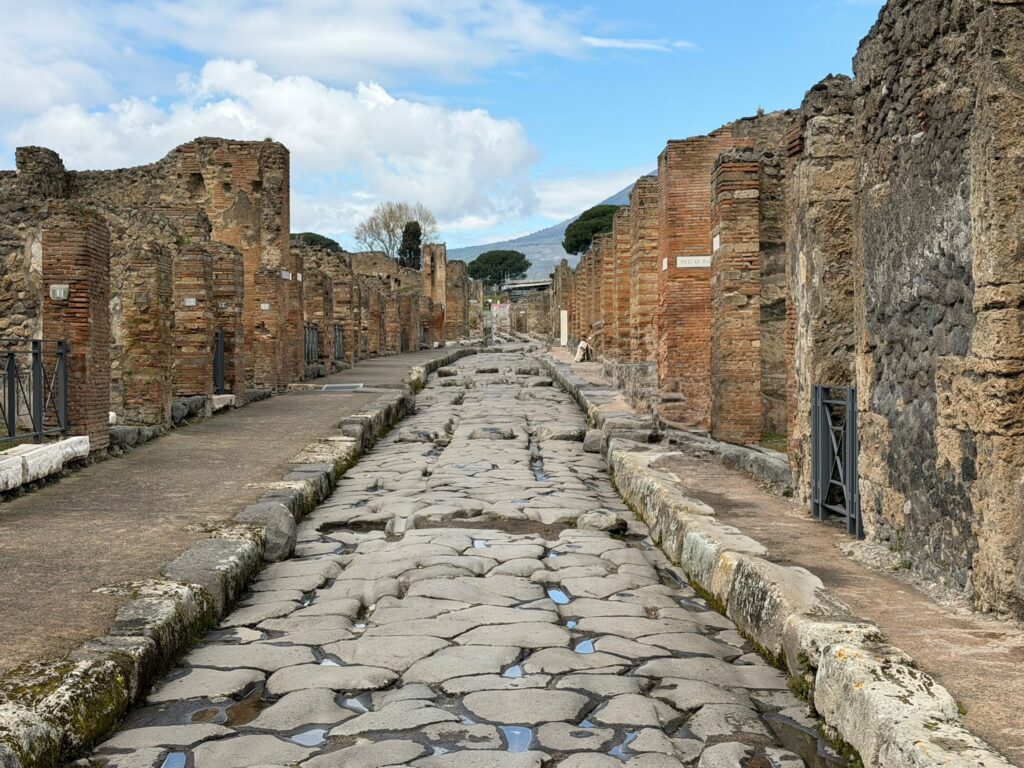
What visitors encounter today is not a reconstruction. It is a preserved environment that offers a rare level of access into daily life in the ancient world.
Pompeii Today
For students, the experience often begins with curiosity. They expect ruins in the traditional sense, something broken or incomplete. But as they move through the site, their attention shifts. They begin to notice how close everything is, how the city was organized, how people moved through their spaces.
They step into homes and start asking questions. Who lived here? What did their day look like? Why was this room designed this way?
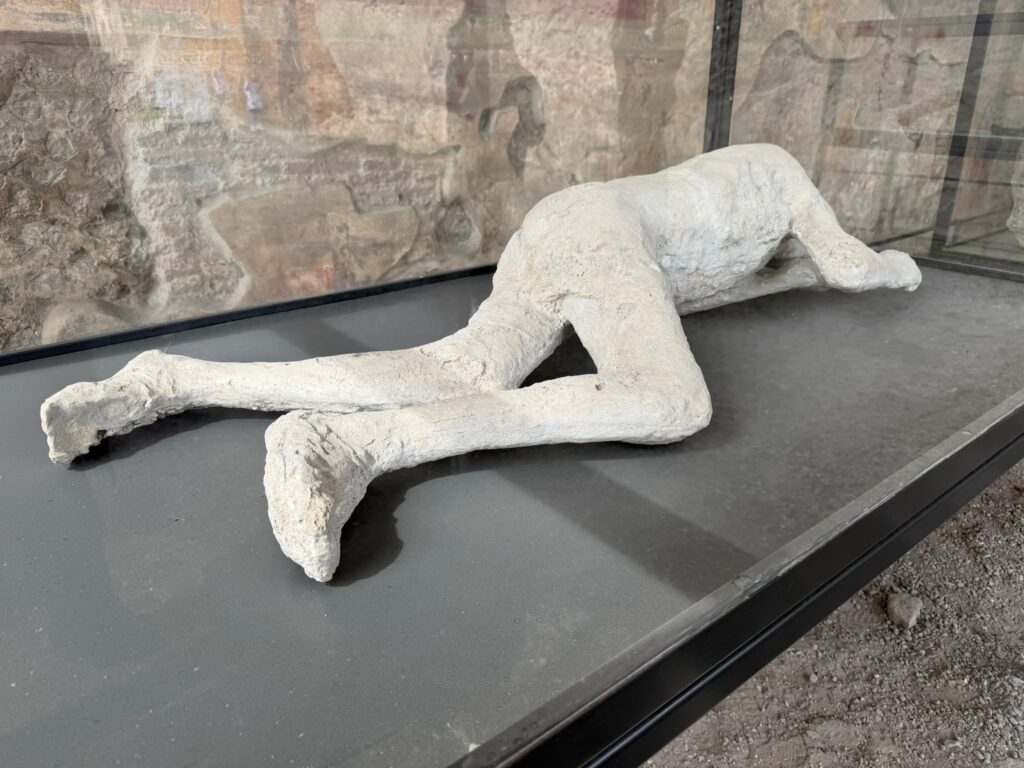
The plaster casts, created from the voids left in the ash, reveal the positions of those who did not escape. These are not sculptures. They are impressions of real people, captured in a moment that was never meant to be remembered this way.
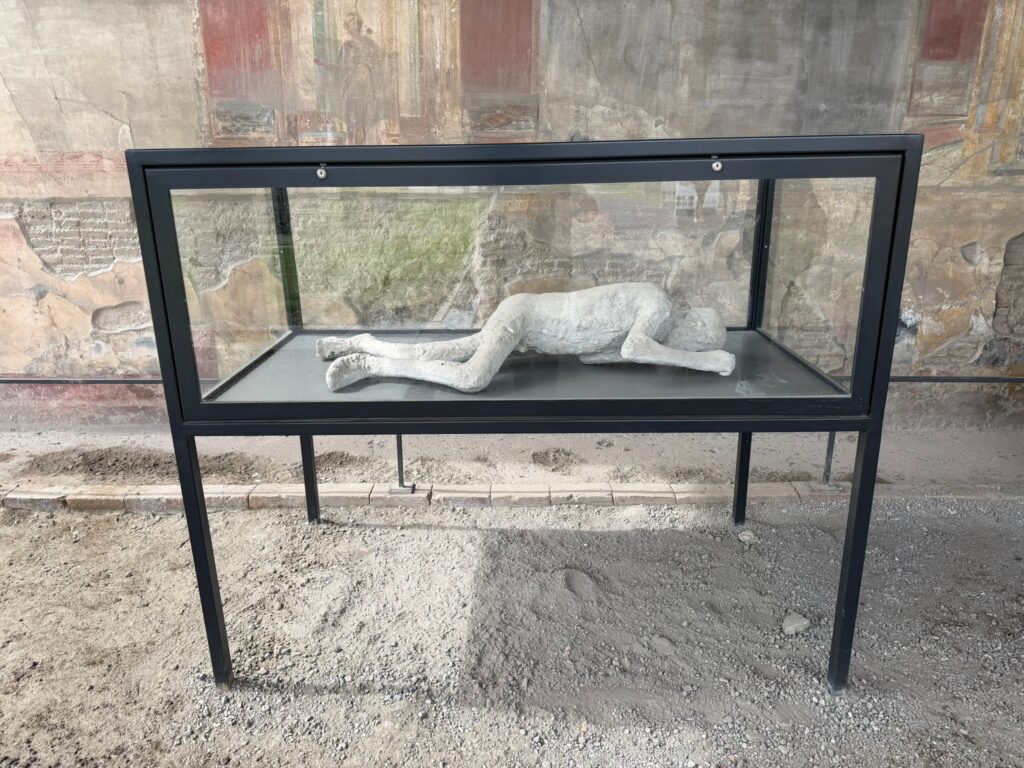
Pompeii as a Classroom
Pompeii has a way of shifting how history is understood. It is no longer a collection of dates and events. It becomes a reminder that the past was lived in real time by people who had routines, responsibilities, and relationships.
Unlike many historical destinations, Pompeii does not rely on scale or grandeur. It is not about standing in front of something monumental. It is about moving through spaces that were once ordinary and realizing how much they still have to say.
Rome introduces travelers to systems of government, architecture, influence. It tells the story of power and legacy. Pompeii, on the other hand, brings the focus back to individuals. It shows what daily life looked like within that larger system.
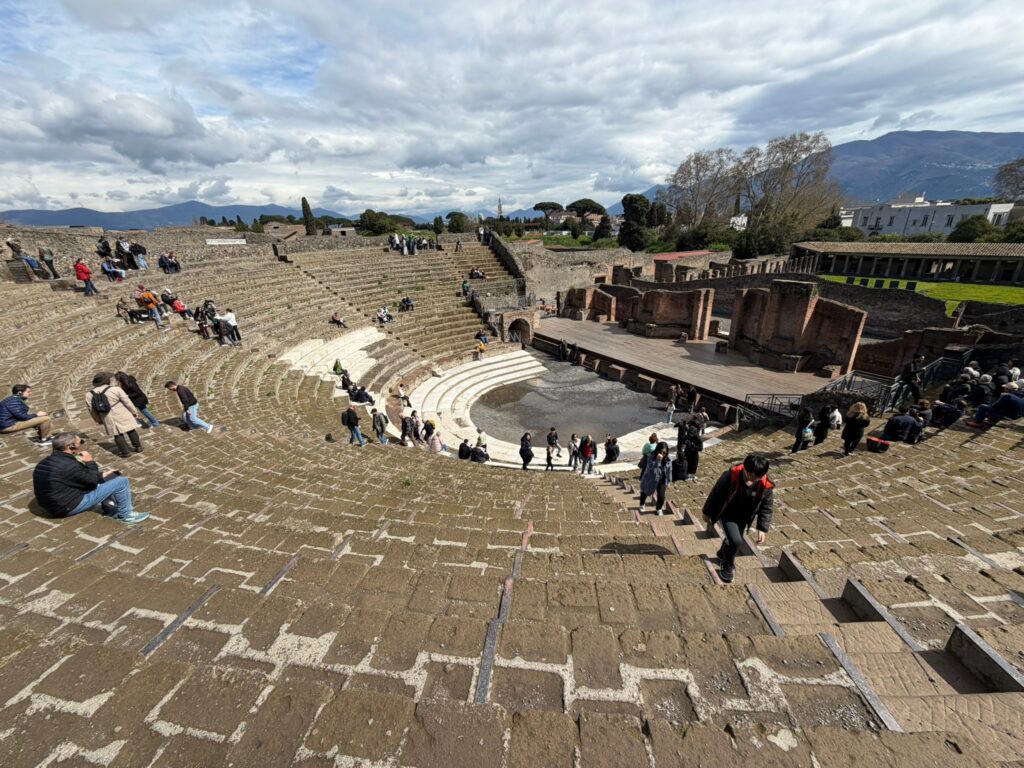
For many students, Pompeii becomes one of the most memorable parts of the trip, not because it is the most famous, but because it feels the most real. It invites questions that go beyond what is written in a textbook. It encourages observation, reflection, and a deeper kind of engagement.
Visitors often walk away with a heightened awareness of how fragile and unpredictable life can be. Not in a dramatic sense, but in a reflective one. The understanding that everything they saw once functioned as part of a normal day brings a different kind of weight to the experience. That is where Pompeii stands apart. It does not just show history. It creates a connection to it.
