
Traveling in groups is exciting. It is also a responsibility.
When students or families enter another country, they represent more than themselves. They represent their school, their community, and their home culture. Knowing how to travel respectfully helps ensure that everyone has a positive experience, both inside and outside the group.
These are not rigid rules. They are shared expectations that make travel smoother, kinder, and more meaningful.
1. Take Time to Learn About the Country You Are Entering
We live in the information age. Even a brief introduction to a country’s history, customs, or values can go a long way. Teachers do not need to be experts in the destination. Parents do not need to lecture. But taking time to understand where you are going helps students travel with curiosity instead of assumption.
If you are unsure where to start, we can help by participating in parent or teacher meetings or by providing short cultural or historical overviews. Preparation does not have to be overwhelming to be effective.

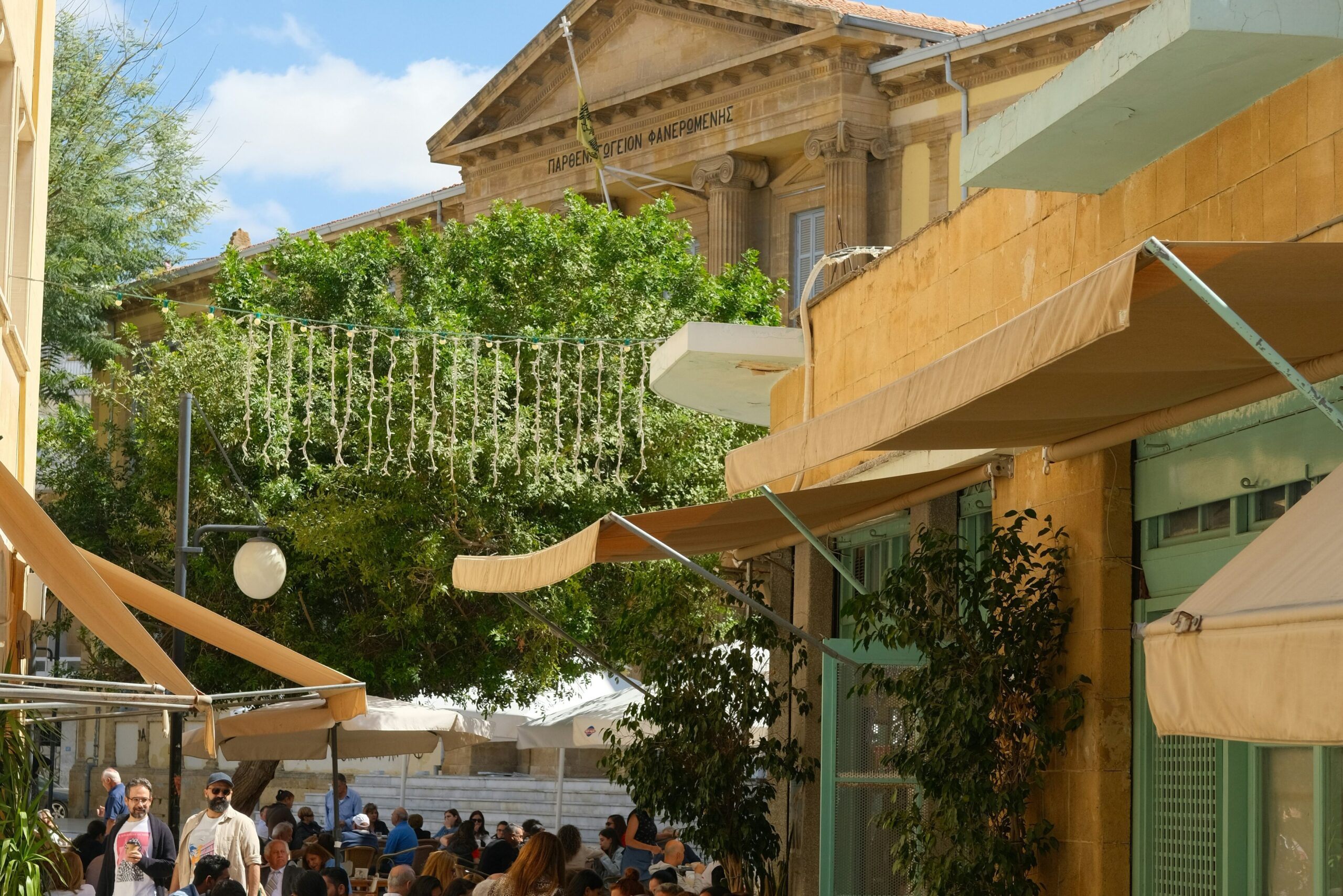
2. Learn a Little of the Language
No one expects fluency. Learning a few basic phrases such as greetings, polite requests, and thank you’s shows effort and respect. It often leads to warmer interactions and smoother communication.
Even small attempts signal that visitors recognize they are guests in someone else’s home.
3. Be Clear on School Codes of Conduct
Every school has its own expectations for group travel. Those expectations should be clearly communicated to teachers, chaperones, parents, and students before departure.
Clarifying who is in charge, what curfews look like, and how decisions are made prevents confusion later. Clear guidelines reduce misunderstandings and allow students to focus on the experience rather than boundaries.
4. Know the Itinerary
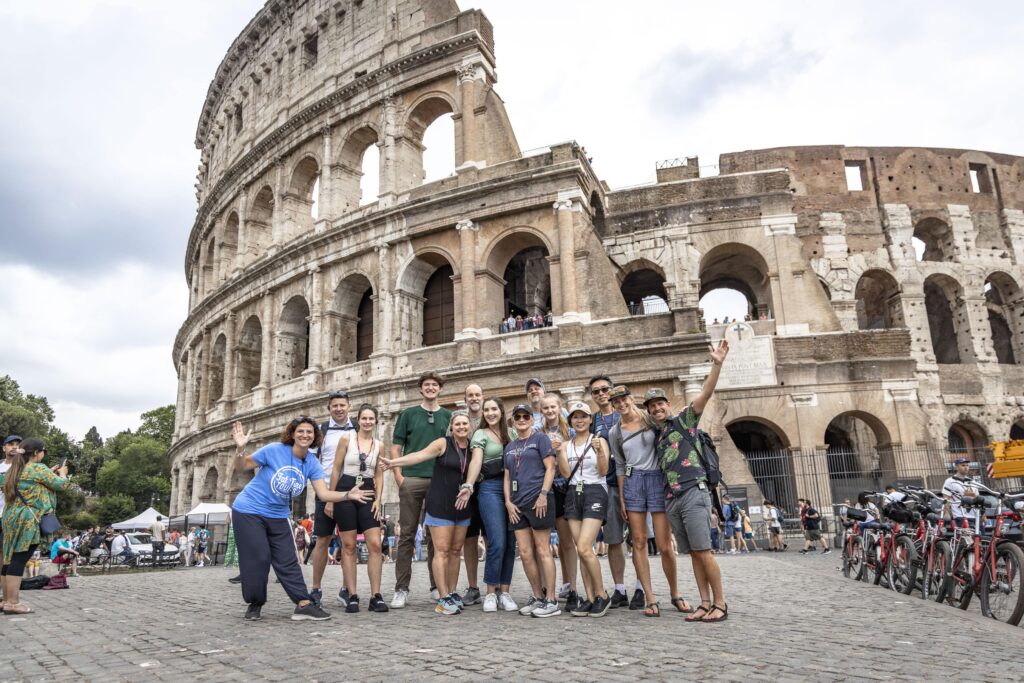
There is no test on the itinerary, but knowing where to be and when matters. Understanding the daily plan teaches responsibility and helps students learn how to navigate schedules and commitments. It also allows the group to move efficiently, which benefits everyone involved.
If religious or cultural sites require specific attire or behavior, students should know that in advance. These expectations are not restrictions. They are part of respecting sacred and historical spaces.

Traveling Well Is a Skill
Travel is one of the most powerful teaching tools available. When done well, it builds awareness, responsibility, and empathy.
We support schools in their mission to educate and inspire young people. Our role is to help create experiences that encourage respectful travel so groups feel welcomed and confident returning again in the future.
