
Planning a school trip is an act of trust.
You are not just booking flights and hotels. You are placing students, expectations, and learning goals into someone else’s hands. You are trusting that the experience will be safe, meaningful, and worthy of the time and energy everyone invests.
That is why the questions you ask before you book matter so much. They shape not only the itinerary, but the experience your students will carry with them long after the trip ends.

Questions About Customization
Who designs the itinerary, and why does it look the way it does?
A thoughtfully designed trip reflects the academic goals of the group, the age and energy of the students, and the rhythm needed to learn well while traveling. It allows space for curiosity, discussion, and rest.
Ask whether the itinerary can be adjusted to meet your specific objectives, or if it is fixed for the sake of efficiency. A one-size-fits-all schedule may look polished on paper, but it rarely serves every group equally well.
Customization is not about luxury or indulgence. It is about alignment. When a trip aligns with your educational purpose, learning feels natural rather than forced.
Questions About Support
Even the best-planned trips encounter the unexpected. Flights change. Weather shifts. Students get tired or overwhelmed. What matters most in those moments is knowing who is responsible and how quickly they can respond.
Ask who is available during travel, how communication works, and what support looks like when plans need to change. Is there someone who knows your group, your itinerary, and your priorities, or are you navigating issues on your own?
Support should be clear, accessible, and consistent from the earliest planning stages through your return home. When educators feel supported, students feel secure.
Questions About Educational Intent
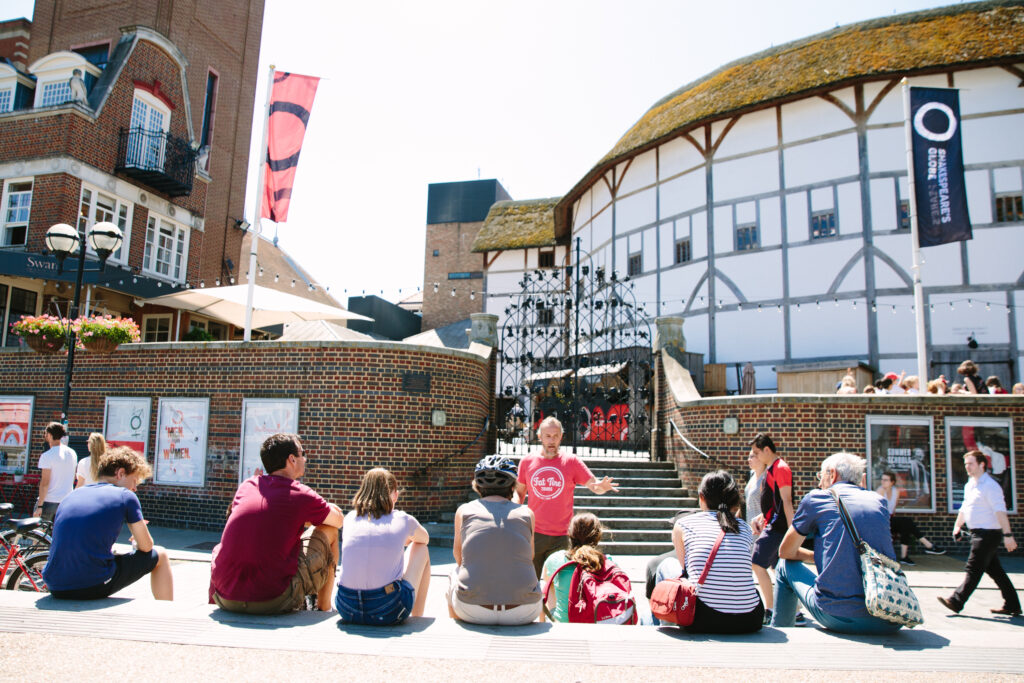
Travel has the power to teach in ways classrooms cannot, but that learning does not happen automatically.
Ask how educational intent is woven into the experience. Is there space for reflection, discussion, or guided conversation? Or is learning left to chance between photo stops?
Meaningful travel connects experience to understanding. It helps students ask better questions, see complexity, and recognize their place in a larger story.
Questions About Transparency
Clarity builds confidence. Ask what is included in the price, what is not, and why. Understanding how costs are structured helps prevent surprises and allows educators and families to plan responsibly.
Transparency is not just about numbers. It reflects how a company communicates, how it values trust, and how it partners with schools.
Why These Questions Matter
School travel is about more than destinations. It shapes how students engage with the world, how they handle uncertainty, and how they learn to connect knowledge with lived experience.
The right travel partner does more than execute logistics. They act as a collaborator in purpose, helping educators create experiences that are enriching, responsible, and deeply human.
Asking the right questions is not about being difficult. It is about being thoughtful. And thoughtful questions lead to meaningful journeys.
