
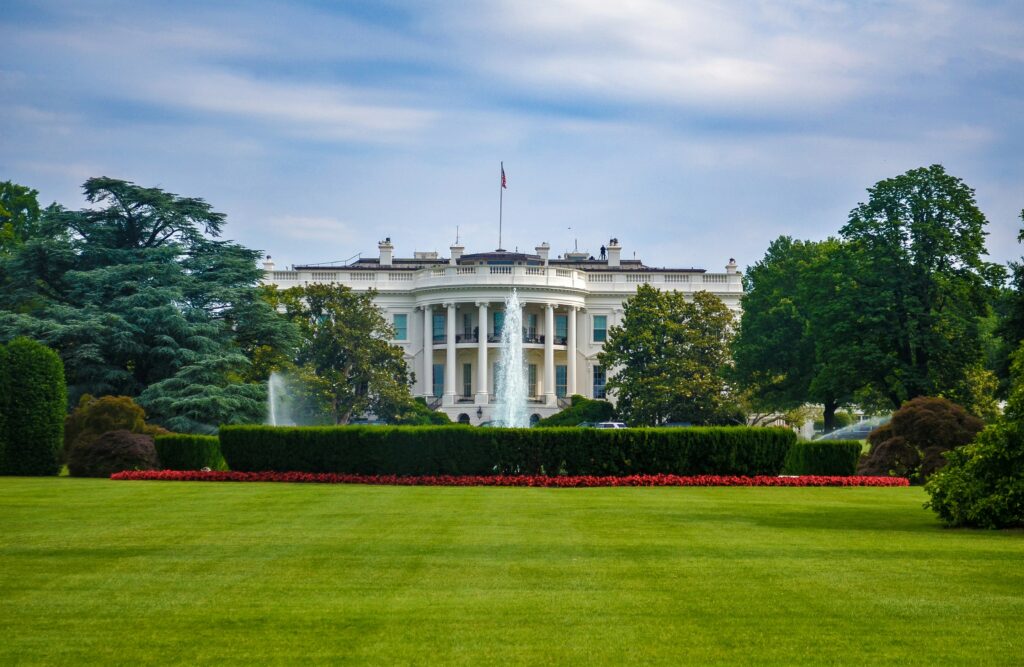
Washington, D.C.
This is the trip that turns a government unit into something students actually experience — touring the Capitol, walking into the Library of Congress, and standing at Arlington for the Changing of the Guard. It’s also the most flexible: build a full excursion day around Mount Vernon, Gettysburg, Old Town Alexandria, or Philadelphia depending on what the class is studying.
Boston
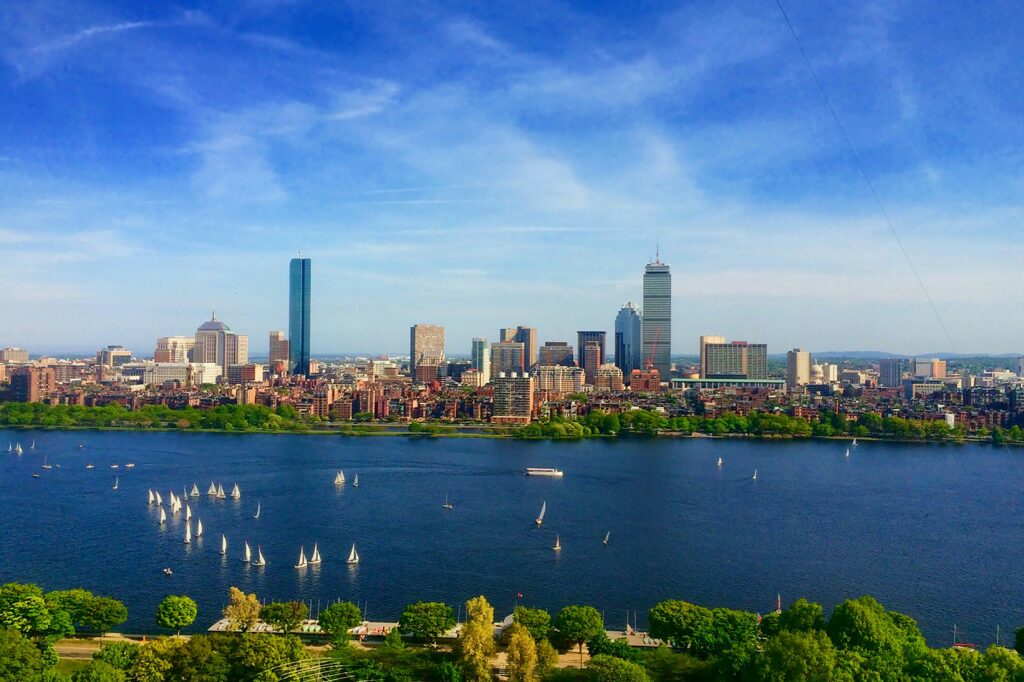
Boston makes the Revolution feel close. Students stand where Paul Revere’s signal lanterns hung, then a day later walking the actual battlefield at Lexington and Concord — where the “shot heard round the world” was fired. It ends on a high note, too: a Red Sox game at Fenway.
Charleston, South Carolina
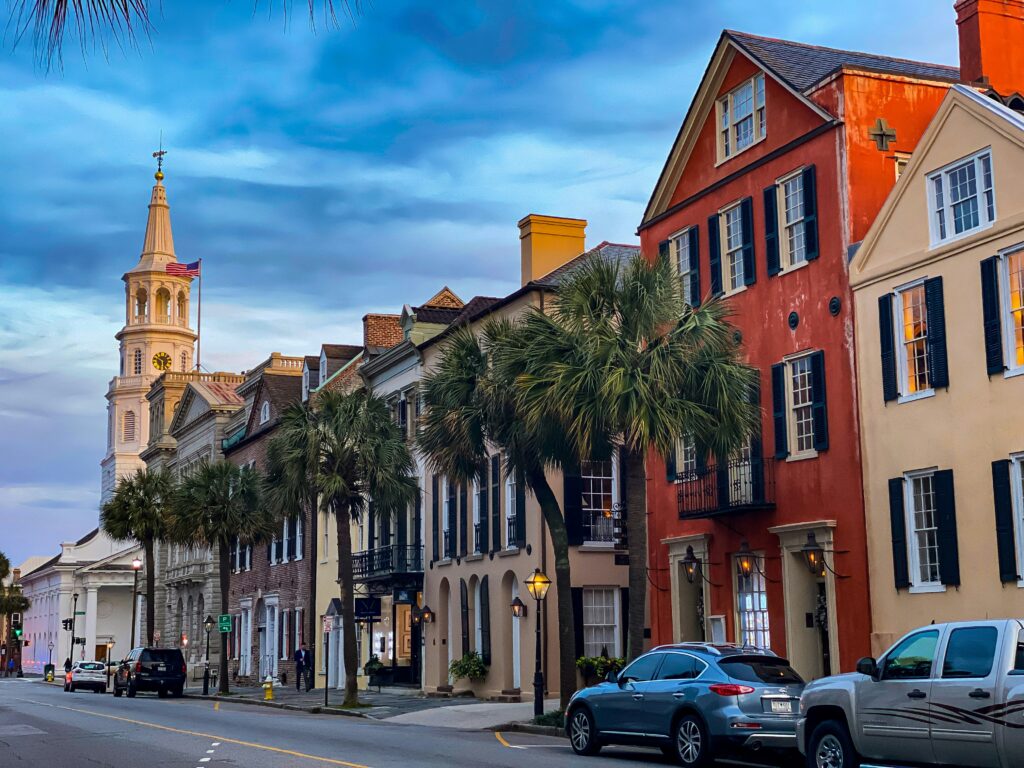
Charleston covers more ground than a typical history trip. Students tour Boone Hall Plantation, put in real hours of service — a shift at a community garden, assembling meal bags for Ronald McDonald House — and get built-in downtime at Sullivan’s Island. The service work isn’t a bonus activity tacked onto a sightseeing schedule; it’s built into the trip the same way the history is.
Grand Canyon Rim-to-Rim Hike
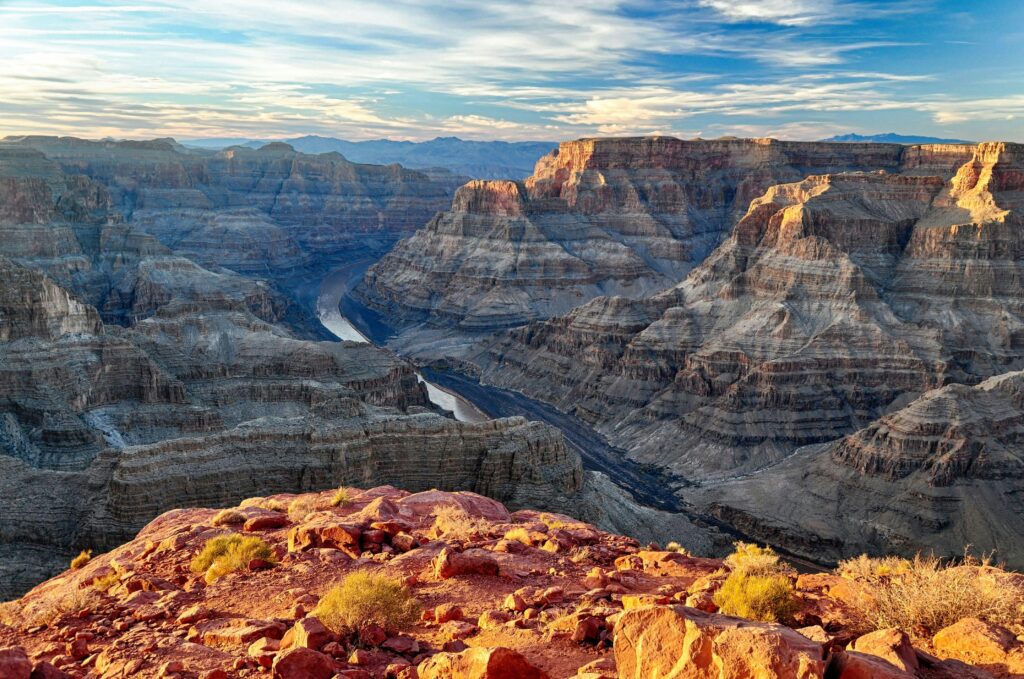
For a school chasing something other than history or civics, this is the swap: a 23.5-mile hike across the canyon floor, with temperature shifts of up to 80 degrees over a single day. It’s built for a group ready to be tested physically, not just academically.
FAQ
Which of these fits which grade level? D.C. tends to land best once students have had at least a basic government unit — middle school and up. Boston and Charleston work across a wider range. The Grand Canyon hike is a physical undertaking first, so readiness matters more than grade.
Can these itineraries be adjusted? Yes, every one of these is a starting point Kairos builds around your school’s schedule and goals.
How far ahead should a school book? Popular windows (spring for D.C. and Boston, cooler months for the Grand Canyon hike) fill up fastest, so starting the conversation six months to a year ahead gives the most flexibility.
