
The best class trip isn’t the most popular destination — it’s the one that’s already part of what you’re teaching, so the trip extends the unit instead of interrupting it. Here’s how that plays out subject by subject.
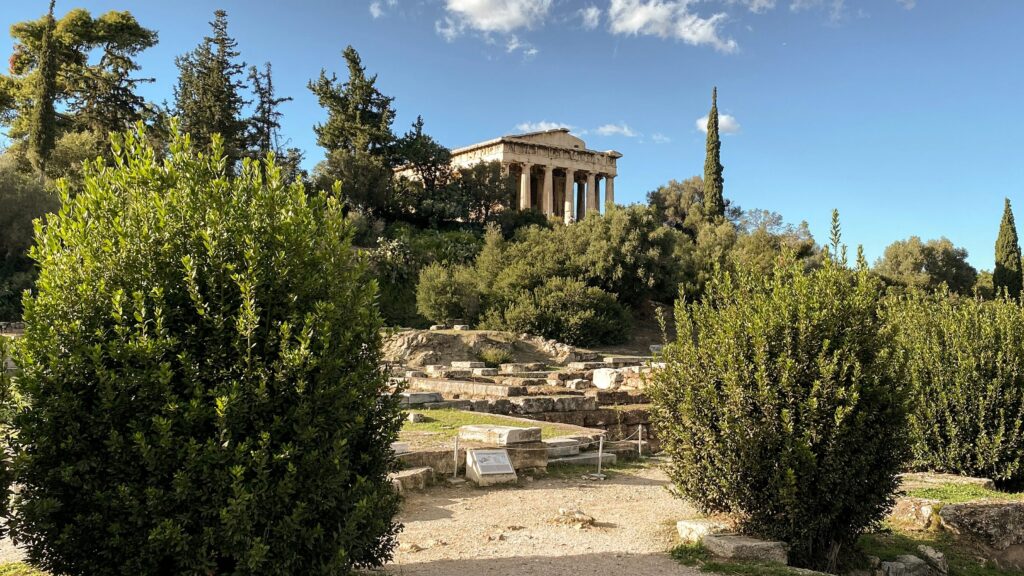
History and Government Classes → Greece, Italy, and Washington D.C.
If you’re teaching European history or classical civilization, Greece and Italy aren’t a vacation from the unit — they’re the unit. Standing in the Agora after a semester of “democracy was invented in Athens” changes what that sentence means. A Grand Tour combining Greece and Italy covers the classical foundation most world history and AP European history courses are built on.
For U.S. history and government classes, Washington D.C. does the same job closer to home — the difference between reading about the three branches of government and walking between the buildings that house them.
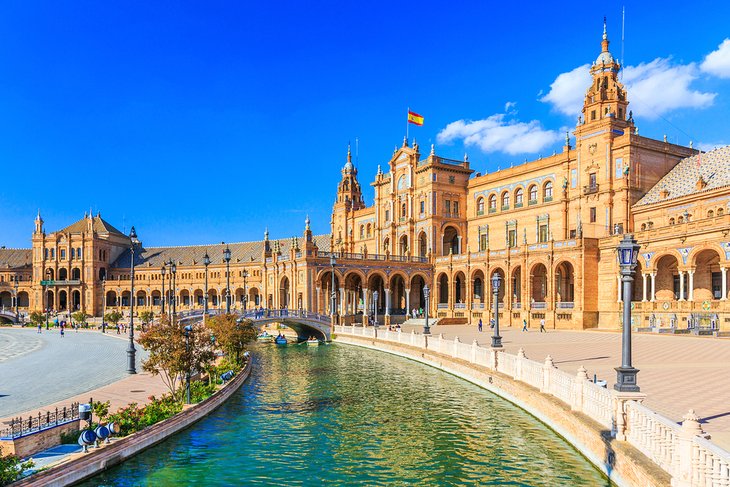
Language Classes → Québec and Spain
A French class that’s spent a year on verb conjugation gets an immediate, practical use for it in Québec City — a French-speaking destination reachable without the cost or logistics of a transatlantic flight. Spanish classes get the equivalent in Spain, where the classroom vocabulary suddenly has to work in a real conversation, not just on a worksheet.
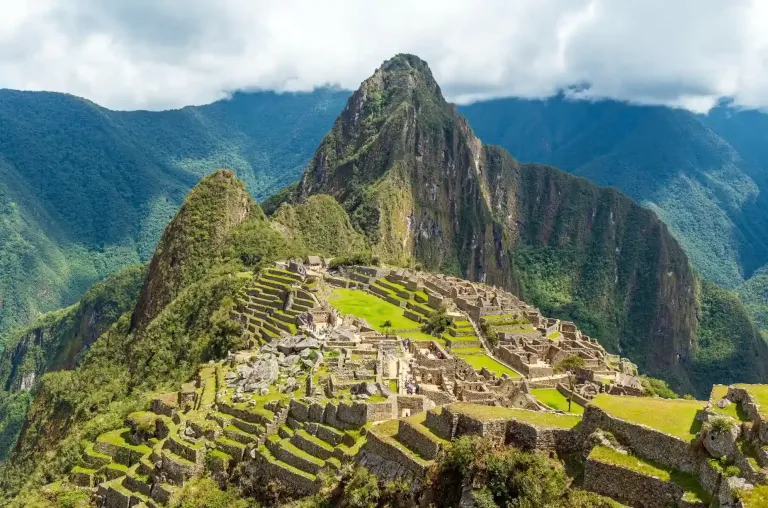
Science, Geography, and Outdoor Education → Iceland, Alaska, and Peru
For earth science, environmental science, or outdoor education programs, Iceland offers geothermal activity, glaciers, and volcanic landscape in a single trip — a geology unit you can walk through. Alaska does something similar for ecology and wildlife-focused classes. Peru adds an altitude and ecosystem range — coast, mountains, and rainforest — that’s difficult to replicate in a single domestic trip, plus a direct connection to any unit on ancient civilizations via Incan history.
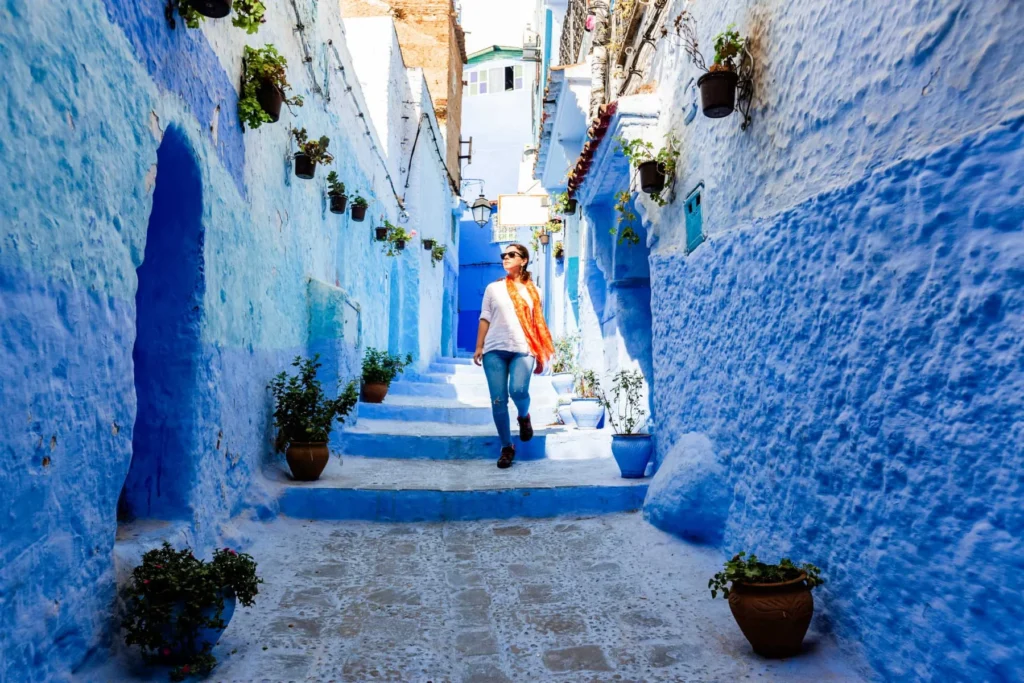
World Cultures and Comparative Religion → Morocco
For world religions, comparative culture, or humanities courses, Morocco offers a level of direct, physical context that a textbook can’t — historical sites, and, depending on the group, immersion in daily life and tradition that’s genuinely different from home. These trips work best when the class has already spent real time on the region’s history and belief systems, so the trip deepens context students already have rather than introducing it cold.
How to Match a Destination to Your Actual Curriculum, Not Just a Wish List
The test is simple: if you removed the trip, would something specific be missing from the unit, or just something fun? A trip that answers “yes, something specific” is the one that gets approved fastest and does the most for students — because it’s not competing with the curriculum, it’s completing it.
FAQ
What’s the easiest first international trip for a school with no travel history?
A shorter, closer destination with strong curriculum tie-in — Québec for a language program, or a Western Europe itinerary paired with a history or humanities class — tends to be the easiest sell and the easiest to execute well the first time.
Can one trip serve multiple subjects at once?
Often, yes; a Greece and Italy trip naturally covers history, classics, and art, while Peru covers science, geography, and ancient civilization in the same itinerary. Ask about combining departments to split costs and increase the group size.
How do we decide between two destinations that both fit our curriculum?
Let logistics break the tie: flight time, cost, and safety infrastructure often matter more once the curriculum fit is already equal.
Does the trip need to match one specific class, or can it serve the whole grade?
Either works — subject-specific trips are easier to justify academically, but grade-wide trips (like a class trip or grad trip) can still tie to a shared curriculum theme, such as a senior capstone or a shared humanities sequence.
