
Leading a student trip is a quiet form of leadership. It rarely draws attention to itself, but it shapes nearly every moment of the experience.
From the outside, leadership on a trip can look simple. The group moves from place to place. Students take photos. Landmarks are visited and stories are shared. Behind that experience is something more subtle.
Good leadership on a trip often looks like preparation, awareness, and steady presence. It is noticing when students are overwhelmed. Encouraging the quieter ones to engage. Helping the group move forward with confidence even when the day becomes unpredictable.
Even with a Tour Director managing the logistics, there are dynamics only you understand. You know the personalities within your group. You know which students need encouragement and which thrive with more independence. You understand the academic goals that shaped the trip in the first place. That perspective matters. It helps turn a schedule into a meaningful experience for your students.
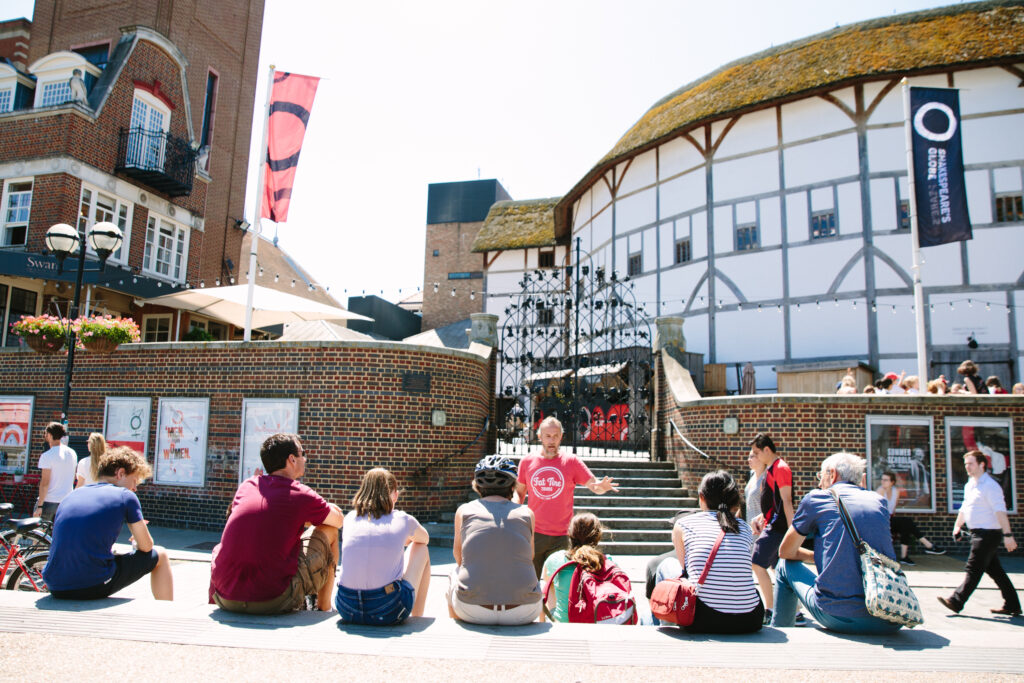
The Itinerary Is Your Framework
A well-designed itinerary does more than organize the day. It creates rhythm.
Each stop reflects a balance between learning, movement, and rest. Historic sites are paired with time to explore. Structured visits are balanced with moments of freedom. The goal is not simply to see as much as possible, but to allow students to absorb what they encounter.
The itinerary is the result of careful planning and experience. It is designed to guide the group smoothly through the day while leaving room for discovery along the way.
If questions arise, ask them. Clear communication among leaders creates confidence throughout the group. When chaperones understand the plan, students feel that sense of direction as well. The itinerary provides the framework. Your leadership brings it to life.
Preparation Shapes the Experience
Preparation also makes a difference long before the plane takes off.
Spending time learning about the region you will visit helps you lead with greater awareness. Understanding the history of a place adds depth to what students see. Even learning a few phrases in the local language can change how you interact with the people you meet along the way.
This preparation does not turn you into the guide. Instead, it helps you become more attentive to the experience unfolding around you. You begin to notice details. You recognize the significance of a site or tradition. You can help students connect what they are seeing to the larger story of the place. Curiosity is contagious. When leaders approach travel with genuine interest, students often follow that example.

Understanding Your Role
At the same time, it is helpful to remember what your role is not.
In many of the countries we visit, professional guiding requires certification. These guides spend years studying the history, culture, and context of the places they lead groups through. Their knowledge brings depth and authenticity to the experience. That is why we intentionally work with licensed local experts.
Encourage students to ask questions and engage with these guides. Direct their curiosity toward the people who know the place best. Doing so reinforces an important lesson about travel. The goal is not simply to observe a destination. It is to learn from the people who call it home. When students listen to local voices, their understanding grows deeper and more respectful.
Group Dynamics Require Flexibility
Every group develops its own rhythm once the trip begins.
Some students are energized by museums and historical sites. Others connect more deeply with everyday spaces like markets, neighborhoods, and cafés. Personalities also shape the experience. Some students move quickly from one discovery to the next, while others prefer to slow down and observe. Large groups rarely move at the same pace.
That is why thoughtful itineraries include explore time and divide students into smaller chaperone groups. These smaller groups create flexibility within the larger structure of the trip. Students can follow their interests while still remaining connected to the broader experience.
As a leader, your role is not to manufacture enjoyment. It is to create the conditions where discovery can happen naturally.
Helping Students Reflect
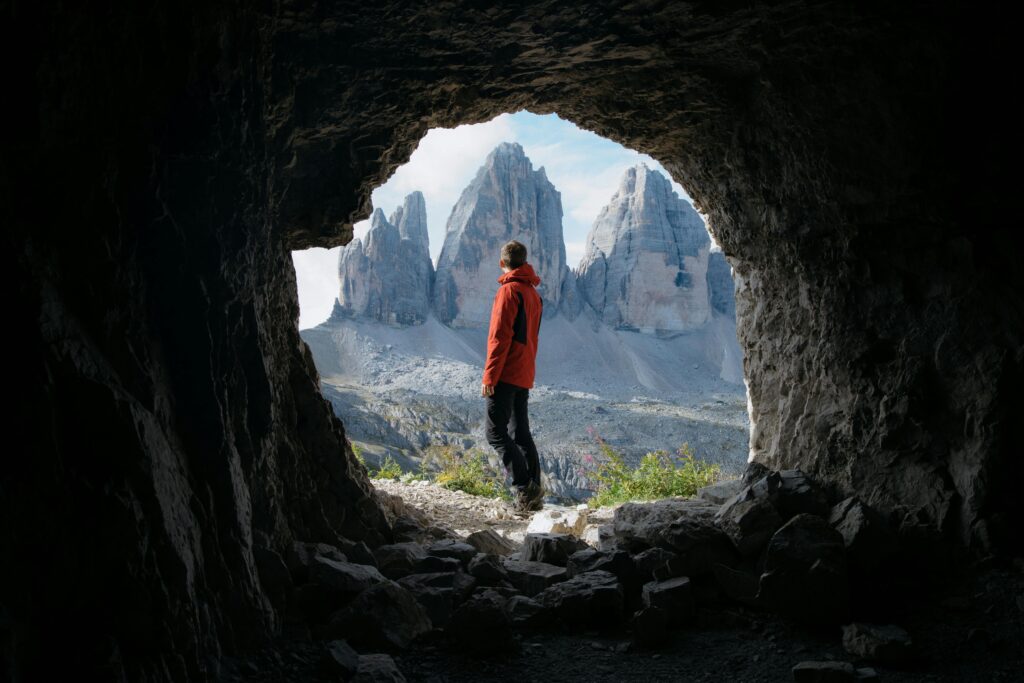
At its core, leading a trip is about framing the experience students are having. The places they visit are important, but reflection often shapes what they remember most. A brief conversation after a museum visit can help students connect what they saw to what they have studied. A moment of discussion at dinner can turn a busy day into a meaningful learning experience. Sometimes the most valuable part of the day happens after the sightseeing ends.
The Leadership Students Remember
Students may not always remember every location they visited or every fact they learned along the way. They will remember how the experience felt. They remember the encouragement that helped them try something new. The calm presence that steadied the group when plans changed. The conversations that helped them understand what they were seeing in a deeper way.
Your leadership shapes how students interpret the journey. Not just what they saw, but how they came to understand it. And in many ways, that quiet influence becomes one of the most lasting parts of the trip.
