
Where Fire Meets the Sea
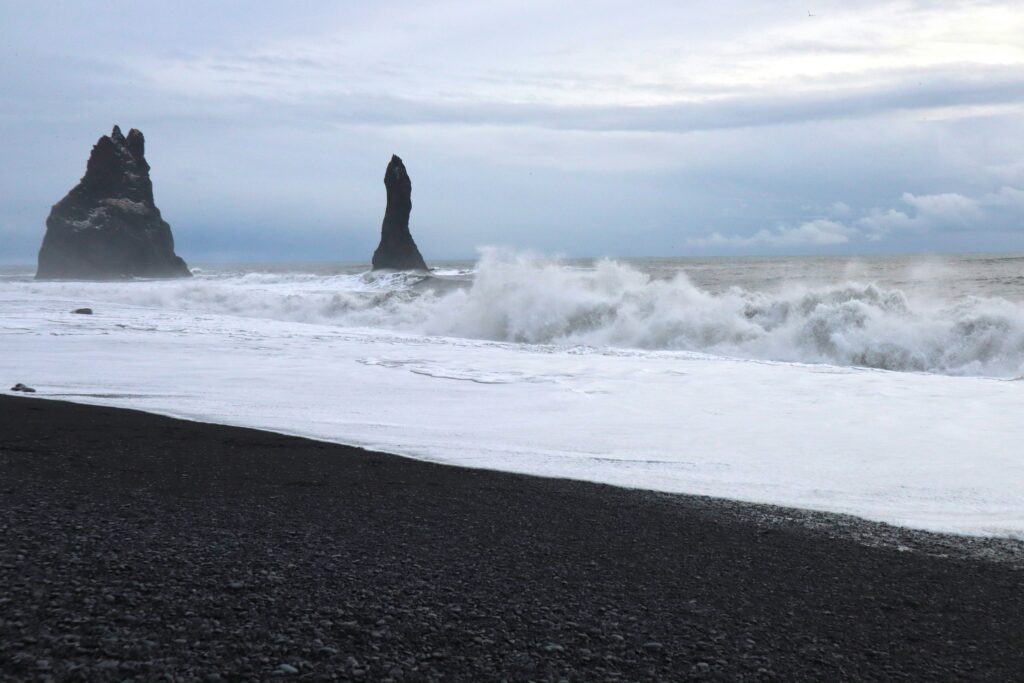
On Iceland’s southern coast, the sand beneath your feet is not golden but black. Reynisfjara is what happens when fire and ocean negotiate over centuries.
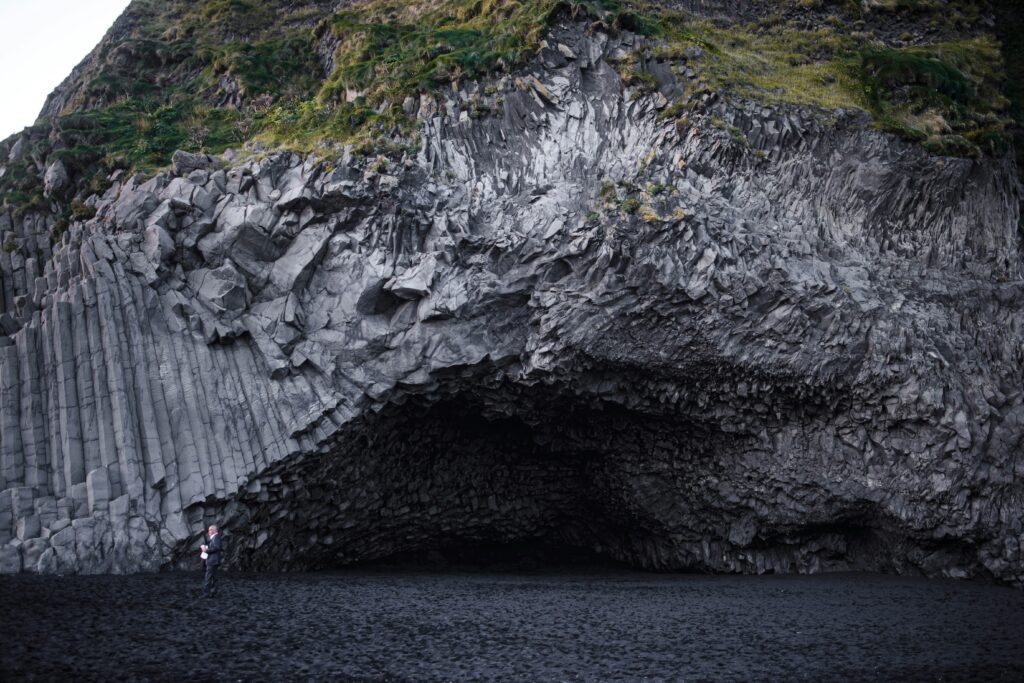
The black sand exists because Iceland is volcanic at its core. When lava flows into the sea, it cools quickly and fractures into basalt. Over time, the ocean grinds that basalt into fine grains. What looks dramatic and cinematic is, in truth, geology at work.
And recently, that shoreline has changed.
A powerful wave surge has reshaped the beach itself. The sand that once stretched wide enough for visitors to walk across has been pulled back and altered. Tourists can still stand above it and look at the sea stacks rising from the water. But they can no longer walk freely across the sand in the same way.
It is a striking reminder that Reynisfjara is not a static landmark. It is an active environment.
History of Reynisfjara Beach
Just beyond the shoreline rise the Reynisdrangar sea stacks. According to Icelandic folklore, they were trolls caught by sunlight and turned to stone. Iceland holds space for both science and story. Geological explanation and myth sit comfortably side by side. That balance shapes the culture.
Nearby, the village of Vík stands with only a few hundred residents. Life here is defined by weather patterns, fishing traditions, and deep respect for the elements. The ocean is not scenery. It is powerful and unpredictable. Visitors are warned about sneaker waves that can surge without notice.
Reynisfjara has become recognizable worldwide through film and television. Its stark horizon has appeared in Game of Thrones and Star Wars. Yet its significance runs deeper than a cinematic backdrop. It represents Iceland’s identity. A country shaped by forces larger than itself. A people who understand that nature is not decorative. It is sovereign.
Changed Coastline
And like many natural sites, it is changing. Erosion continues, seea levels rise, tourism grows. The coastline today will not look identical decades from now. This reality reframes travel. When students stand on that beach, they are observing living landscape that will continue to evolve long after they leave.
Travel becomes different when we understand that what we are seeing is not permanent. It sharpens attention, invites gratitude, and deepens responsibility.
The recent wave surge does not diminish Reynisfjara’s significance. If anything, it intensifies it. It underscores the urgency of paying attention. Of understanding geological forces. Of recognizing climate patterns and coastal vulnerability.
Our responsibility as travelers is not to demand that landscapes remain convenient. It is to approach them with humility, curiosity, and respect.
Reynisfjara still stands. But it stands as a living reminder that the world is dynamic and that makes every visit, every moment, all the more precious.
